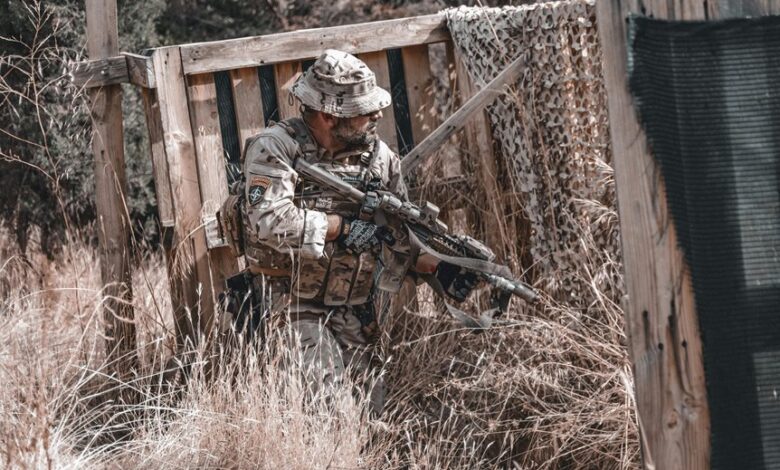
The Tactical Structure 22956787 Conversion Core represents a significant advancement in military technology. Its modular design and lightweight materials enable adaptability in various operational contexts. By enhancing efficiency and promoting autonomy, this core addresses the complexities of modern warfare. As military strategies continue to evolve, the implications of such innovations raise important questions about future tactical applications and their potential to transform engagement methodologies.
Overview of the Tactical Structure 22956787 Conversion Core
The Tactical Structure 22956787 Conversion Core serves as a pivotal component in modern operational frameworks.
Designed to enhance tactical applications, it significantly improves operational efficiency across various sectors. By integrating advanced methodologies and technologies, it empowers organizations to adapt swiftly to dynamic environments.
This core not only streamlines processes but also fosters a culture of autonomy, allowing teams to operate with greater freedom and effectiveness.
Key Features and Innovations
While various tactical systems aim to enhance operational capabilities, the Tactical Structure 22956787 Conversion Core distinguishes itself through a suite of innovative features designed for adaptability and efficiency.
Key features include the use of innovative materials that ensure durability and lightweight performance, alongside a modular design that allows for easy customization and integration, catering to diverse mission requirements without compromising operational freedom.
Benefits for Modern Military Operations
As modern military operations become increasingly complex, the Tactical Structure 22956787 Conversion Core offers significant advantages that enhance effectiveness on the battlefield.
Its design promotes mission adaptability, allowing forces to swiftly adjust to evolving threats.
Additionally, the system improves operational efficiency by streamlining processes and resource allocation, ultimately empowering military units to respond decisively and maintain freedom in dynamic environments.
Future Implications for Warfare and Tactical Strategy
How might the Tactical Structure Conversion Core redefine the landscape of warfare and tactical strategy?
Its integration could enhance capabilities in asymmetric warfare, enabling forces to more effectively adapt to evolving threats.
By fostering strategic adaptation, military leaders can implement innovative tactics that prioritize agility and responsiveness, ultimately reshaping engagement methods.
This transformation would empower nations to navigate the complexities of modern conflict more proficiently.
Conclusion
In conclusion, the Tactical Structure 22956787 Conversion Core stands as a beacon of innovation in military technology, akin to a compass guiding forces through the fog of modern warfare. Its modular design and enhanced operational capabilities offer unprecedented flexibility and efficiency, enabling military units to adapt seamlessly to dynamic threats. As the landscape of combat continues to evolve, this core is poised to redefine tactical strategies, ensuring that armed forces remain agile and effective in the face of uncertainty.