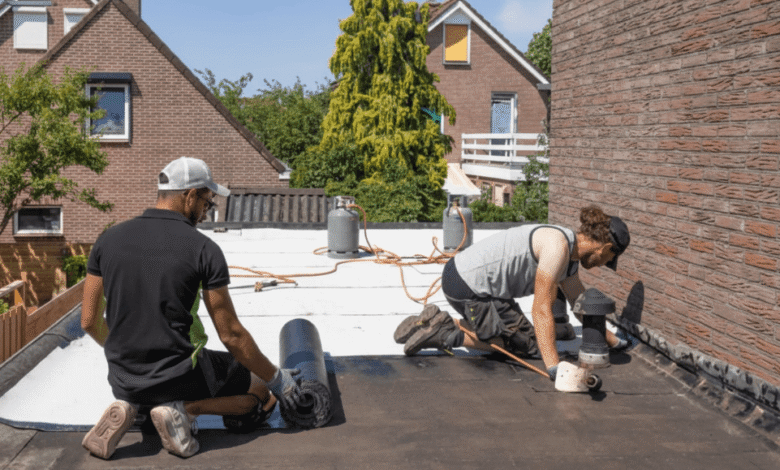
For most business owners and facility managers, the roof is the part of the building they think about least, until something goes wrong. A leaking commercial roof can disrupt operations, damage inventory and equipment, create liability issues, and lead to repair costs that dwarf what preventive maintenance would have required.
Understanding the basics of commercial roofing maintenance is not just a facilities concern. It is a business decision with real financial implications.
Why Commercial Roofs Demand Different Attention
Commercial roofing systems differ fundamentally from residential roofs. Most commercial buildings use low-slope or flat roof designs, which present unique challenges. Water does not shed off a flat roof the way it runs down a pitched residential roof, making drainage design and maintenance critical.
The most common commercial roofing systems include TPO (thermoplastic polyolefin), EPDM (ethylene propylene diene monomer), built-up roofing, modified bitumen, and standing seam metal. Each system has different maintenance requirements, lifespans, and failure modes. Knowing which system is on your building is the first step toward maintaining it properly.
Common Issues with Flat and Low-Slope Roofs
Ponding water is one of the most frequent problems on commercial roofs. Any water that remains standing 48 hours after rainfall indicates a drainage issue. Over time, ponding water accelerates membrane deterioration, adds structural weight, and creates conditions for leaks.
Membrane damage is another common concern. Foot traffic from HVAC technicians, improperly secured equipment, wind-blown debris, and simple age can all cause punctures, tears, and seam failures in the roofing membrane. Even small breaches allow moisture to infiltrate the insulation layer below, where it causes damage that may not become visible inside the building for months.
Flashing failures around penetrations such as vents, pipes, skylights, and HVAC curbs are also frequent leak sources. Flashing is the material that seals the transition between the roof membrane and these penetrations, and it is often the first component to fail.
The Real Cost of Deferred Maintenance
Postponing roof maintenance to save money in the short term is one of the most expensive decisions a business owner can make. According to the National Roofing Contractors Association (nrca.net), a proactive maintenance program can extend a commercial roof’s service life by up to 50 percent. That means a roof with a 20-year expected lifespan could serve you for 30 years with proper care.
Conversely, neglected roofs often require full replacement years ahead of schedule. A commercial roof replacement can cost anywhere from five to fifteen dollars per square foot depending on the system and building size. For a 20,000-square-foot building, that translates to a potential cost of $100,000 to $300,000, much of which could have been avoided with regular inspections and minor repairs.
Building a Maintenance Schedule
A practical commercial roof maintenance program does not have to be complicated. At minimum, it should include a professional inspection twice per year, typically in spring and fall, plus an additional inspection after any major weather event. During these inspections, a qualified technician should check drainage systems, examine all flashing and seam conditions, clear debris, and document the overall condition of the membrane.
Between professional inspections, facility staff should keep the roof clear of debris, ensure drains and scuppers are not blocked, and report any signs of interior water intrusion immediately. OSHA (osha.gov) provides guidelines on safe roof access procedures that should be followed whenever personnel need to go on the roof for any reason.
Choosing the Right Contractor
Not all roofing companies have experience with commercial systems. The demands of a 50,000-square-foot flat roof are entirely different from those of a residential shingle job. When selecting a maintenance partner, look for a company with documented experience in your specific roofing system, proper insurance and licensing, and a track record with similar commercial properties.
Working with experienced commercial roofing contractors who understand the unique demands of commercial properties, from warranty compliance to code requirements, can make a significant difference in both the quality of work and the long-term performance of your roof. Ask for references from other commercial clients, and verify that the contractor is familiar with manufacturer-specific maintenance protocols for your roofing system.
Budget Planning for Roof Maintenance
Smart facility managers treat roof maintenance as a predictable operating expense rather than an unpredictable capital expense. A reasonable budget allocation is one to two percent of the roof’s replacement cost per year for ongoing maintenance. This investment consistently pays for itself by preventing premature replacement and avoiding emergency repair premiums.
Document every inspection, repair, and expenditure. This maintenance history becomes valuable when negotiating insurance claims, planning capital improvements, or selling the property.
Commercial roofing maintenance is not exciting, but it is one of the most straightforward ways to protect a building investment and avoid costly disruptions to your business operations.

